

The Duke
Master Don Juan
- Joined
- Feb 4, 2008
- Messages
- 6,505
- Reaction score
- 11,367

Generational decline in testosterone levels observed
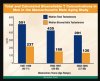
During the past two decades, testosterone levels in American men have rapidly declined.This information comes from a long-term prospective study that evaluated changes in serum testosterone on a population-wide basis.
-"During the past two decades, testosterone levels in American men have rapidly declined."
-“The interesting thing we discovered was that, on average, when we measured the testosterone in the blood of a 60-year-old in 1989 it was higher than that in a different 60-year-old measured in 1995,”
-" Although testosterone loss is common as men age, it is often associated with diabetes, abdominal obesity, sexual dysfunction, depression and other adverse conditions. "
Source: Google AI Overview
Social status and dominance
- Testosterone is strongly linked to dominance-seeking and status-enhancing behaviors, both aggressive and non-aggressive.
- It may promote behaviors like assertiveness and competitiveness in contexts where status or resources are at stake.
- Interestingly, testosterone might also increase generosity and fair behavior in situations where demonstrating these traits could enhance social standing, according to a study published in PNAS.
Risk-taking and competitive drive
- Studies suggest that higher testosterone levels might be linked to increased risk-taking and a greater willingness to compete, especially in environments involving social challenge or potential reward.
- Studies suggest that higher testosterone levels might be linked to increased risk-taking and a greater willingness to compete, especially in environments involving social challenge or potential reward.
- This connection may be further influenced by other hormones like cortisol, with testosterone and cortisol levels potentially moderating risk-taking behavior in a complex interplay, according to a study published in Psychoneuroendocrinology.
Mating and parenting
- Testosterone plays a role in sexual behavior and libido in men.
- Research suggests that higher testosterone is associated with a greater focus on mate pursuit and seeking relationships, but can decrease as men enter committed partnerships or fatherhood.
- For instance, research published in the Notre Dame News found that new fathers may experience a drop in testosterone levels, potentially reflecting a shift in focus towards parental care.
Mood and cognition
- Testosterone may influence mood, motivation, and cognitive abilities, including language skills and concentration.
- Low testosterone has been linked to decreased motivation, difficulty focusing, and even depression.
- Testosterone may also impact empathy and social cognition, with recent research suggesting it can heighten the brain's responsiveness to both positive and negative social experiences.
Having been around for several decades, its not hard to see the differences in todays "men" vs. men from decades ago. I can see the differences right here on SS in the last 15yrs. I don't believe any one thing has created this, its multiple things as it usually is. How boys are raised, their diets, physical activity, how they socialize, what is expected of them, what is accepted, etc., has all changed and certainly hasn't helped in producing masculine males.
I hope those raising the next generations realizethis and change where things are headed.
Having been alive for a few decades now, its not hard to see the changes in men and their behaviors that are often fueled by testosterone.


